

21-30 of 47

Claims

Claim adjusters’ best tips to avoid workers’ comp missteps

SFM’s claims representatives share their top tips for employers when dealing with workers’ compensation claims.

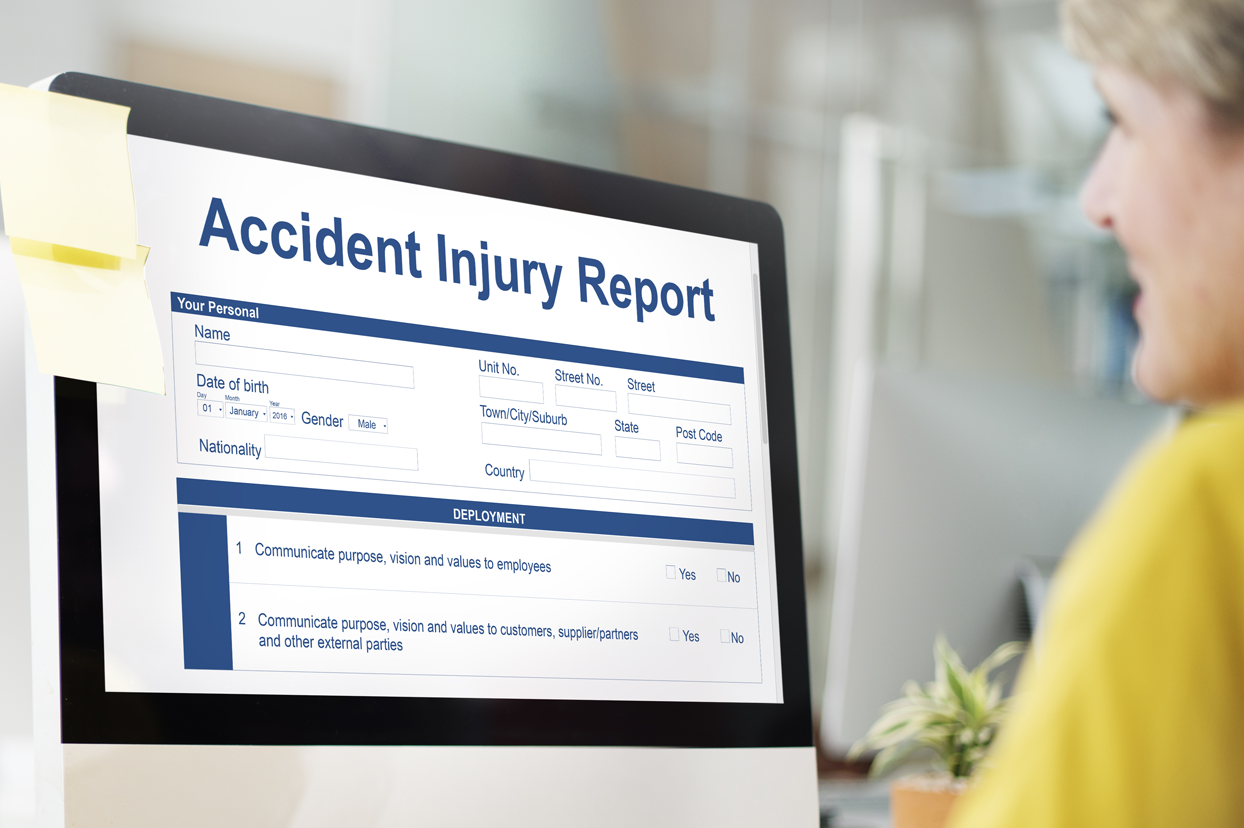
Avoid common mistakes when reporting work injuries

Fast, accurate injury reporting can reduce frustration for everyone involved. Watch out for these common mistakes.

Workers’ compensation waiting periods

What workers' compensation waiting periods are, what they mean for bringing employees back to work and how they differ between states.

How your workers’ compensation e-mod is calculated

Your e-mod is used to calculate your workers’ compensation premium that’s based on your workers’ compensation claims experience.

Do you have a plan for investigating work injuries?

You hope a work injury doesn’t occur, but if one does, use this four-point accident analysis plan to investigate.

The value in reporting minor work injuries

Reporting minor injuries helps create a record in case the injury becomes more severe. Incident-only claims won’t affect your premium.

Streamlined phone reporting option available

In response to feedback from employers and workers, we’re offering a new option when you call the SFM Work Injury Hotline to report injuries.

A manager talking to an employee on a warehouse floor
Why you have to stay vigilant on work injuries

Ideally, your employees will let you know if they are injured, but what if they don’t? You might still be legally required to report.

What happens when you choose the SFM Work Injury Hotline nurse option?

Reporting injuries through the SFM Work Injury Hotline provides injured employees the opportunity to speak with a nurse and get a treatment recommendation. Here's what to expect when you call.

Four reasons why reporting work injuries immediately helps you and your employees

Immediately reporting injuries improves medical care, accident investigation, contact with medical providers and communication with injured employees.

21-30 of 47