Prevent strains and sprains
Complete tasks with ergonomics in mind
What are strains and sprains?
Strains and sprains are some of the most common injuries reported to SFM. Strains are soft tissue injuries that can affect muscles, nerves, tendons, joints and cartilage in the limbs, neck and lower back. Sprains are injuries to the bands of tissues — ligaments — that connect bones together.

Create an ergonomic program
Strain and sprain injuries are often caused by completing tasks that were set up without ergonomics in mind. Ergonomics is the study of the relationship between people and their activities, equipment and environment.
Tasks might be too heavy, awkward or repetitive for employees to safely compete, which increases their chances of developing musculoskeletal disorders (MSDs).
As an employer, it’s important to ensure your employees maintain their comfort and safety while completing tasks to reduce their risk of developing strain or sprain injuries. We offer a sample ergonomic program to help you develop one for your organization.
Best practices for reducing strains and sprains
To optimize ergonomics and reduce strains and sprains follow these best practices:

Determine the causes of strains and sprains at your organization

Evaluate employees’ job tasks and identify those with potential risk factors

Reduce hazards in employees’ job tasks
Identify and prioritize risk factors
The most important first step in preventing strains and sprains is identifying potential hazards and risk factors. Force (intensity of exertion), frequency (how long and often a task is completed) and awkward position (not maintaining a neutral position) are the three main ergonomic hazards. Risks elevate when these hazards are combined. Follow these steps to identify risk factors:
- Conduct walkthroughs of your facility to look for hazards
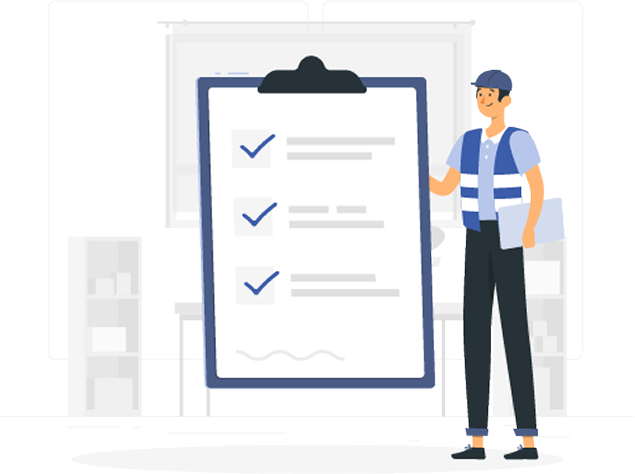
- Use checklists to help identify risk factors
- Assess your organization’s past injury data to identify where prior strain and sprain injuries occurred
- Poll workers to identify tasks that cause discomfort or pain
Hierarchy of safety and ergonomic solutions
After prioritizing hazards, determine what controls (corrections) to put in place.
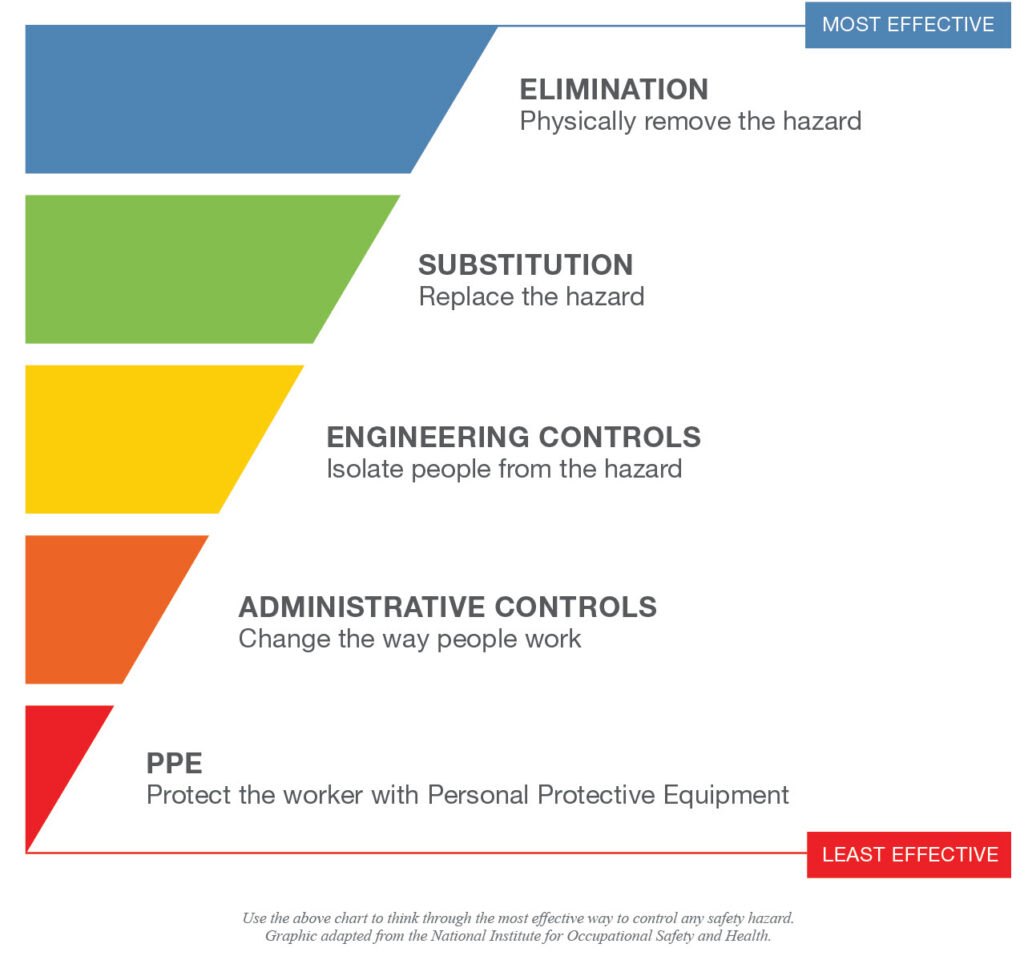
Categories of actions/safety controls have been rated by effectiveness by the National Institute for Occupational Safety and Health (NIOSH) as shown in the diagram below. The actions/safety control options, ranked from most effective to least effective, are:
- Elimination: Physically remove the hazard (most effective)
- Substitution: Replace the hazard
- Engineering controls: Isolate people from the hazard
- Administrative controls: Change the way people work
- PPE: Protect the worker with personal protective equipment (least effective)
Controls at the top of the pyramid are most effective, so focus on these when implementing solutions to reduce strains and sprains.
For example, it’s much more effective to physically remove or replace a hazard, than it is to change the way people work or have employees wear personal protective equipment (PPE).
Strain and sprain safety solutions by risk type
To guide you in finding safety and ergonomic solutions your organization can implement to prevent or reduce strain and sprain injuries, check out these examples listed below for each risk type. Solutions for each category are listed in order from most to least effective following the hierarchy shown above.


